In the footsteps of Paul Cézanne
He was born in Aix, painted here for most of his life and is buried here. A route in three parts, the town, the studios and the mountain, to see Provence through his eyes.
4 min readUpdated November 2026Address book
A man of Aix
Paul Cézanne was born on 19 January 1839 at 28 rue de l’Opéra, the son of a hatter who became a banker. At the Collège Bourbon, today the Collège Mignet, he befriended a younger boy, Émile Zola; with Baptistin Baille they made an inseparable trio, roaming the countryside around Aix, swimming in the Arc and already looking at the mountain.
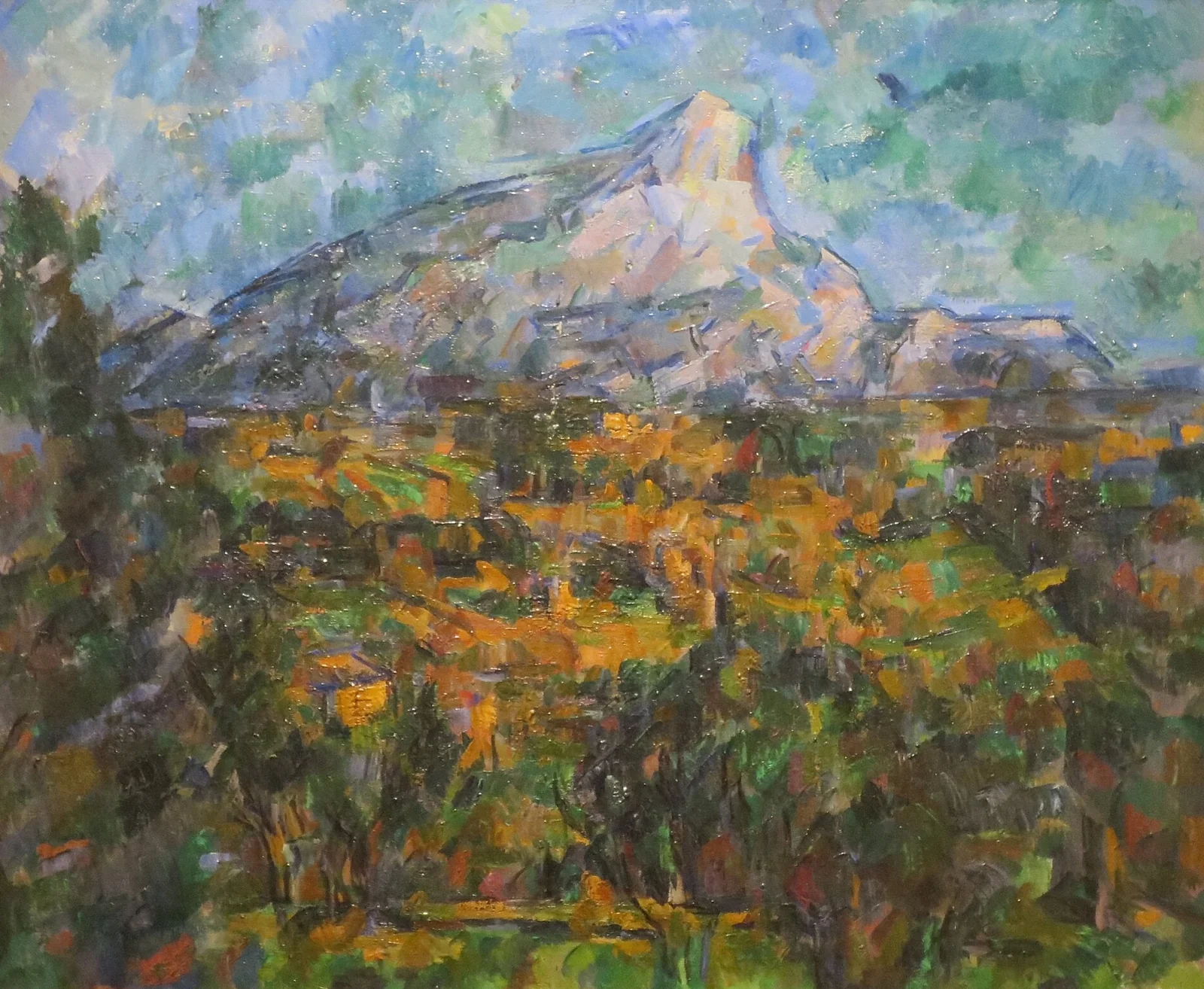
Paris, the Impressionists, rejection by the Salon: Cézanne kept leaving and coming back. It was in Provence that he found his way of painting, returning to the same subjects for years: the pines, the quarries, the country houses and, above all, Sainte-Victoire. He died on 22 October 1906 in his flat at 23 rue Boulegon, a few days after being caught in a storm while painting outdoors. He lies in the Saint-Pierre cemetery.
A life in ten dates
- 1839Born in Aix, at 28 rue de l’Opéra, on 19 January.
- 1852Enters the Collège Bourbon, befriends Émile Zola.
- 1859His father buys the Jas de Bouffan.
- 1861First stay in Paris, at the Académie Suisse.
- 1874Shows at the first Impressionist exhibition.
- 1886Marries Hortense Fiquet, breaks with Zola, his father dies.
- 1895First solo show, at Ambroise Vollard’s gallery in Paris.
- 1899The Jas de Bouffan is sold; he moves to rue Boulegon.
- 1901Builds the Lauves studio.
- 1906Dies in Aix on 22 October.
Here the landscape is not a backdrop: it is the subject he painted all his life.
The town, following the bronze studs
Since 1990, bronze studs stamped with a “C” have been set into the pavements of the old town. Over about three kilometres they link the painter’s addresses: his birthplace on rue de l’Opéra, his father’s house at 55 cours Mirabeau, the Madeleine church where he was baptised, the Café des Deux Garçons where he met his friends, the Collège Mignet, the Musée Granet, which housed the drawing school he attended as a young man, his last flat on rue Boulegon and Saint-Sauveur cathedral, where his funeral was held.
The “In the footsteps of Paul Cezanne” map is available from the tourist office, which also runs guided tours. A sweet stop to finish: on rue Rifle-Rafle, the chocolatier Puyricard sells “clous de Cézanne”, dark chocolate studs inspired by the trail.
The Jas de Bouffan
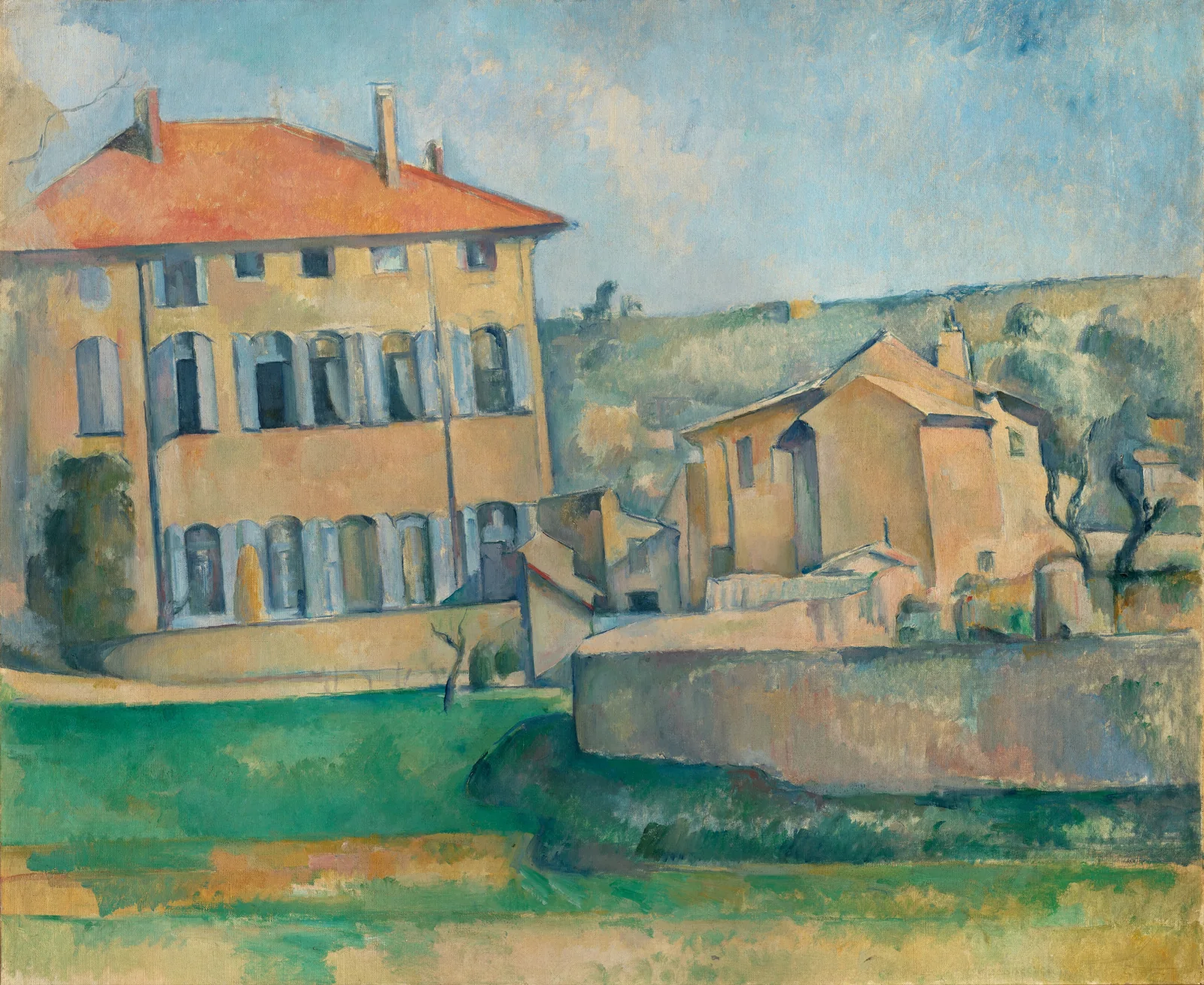
In 1859 the painter’s father bought a large eighteenth-century country house west of the town. Cézanne lived and painted there for forty years: his first canvases, his first mountains, the chestnut avenue, the pool. After a long restoration the house has its great studio window back; the park shows reproductions of his paintings on the very spots where he painted them, and the orangery houses a café.
The Lauves studio and the Painters’ Ground
In 1901 Cézanne had a studio built to his own design on the Lauves hill, north of Aix. He worked there every day in the last years of his life. Nothing has moved: the tall window, the easels, the jars, the skulls and fruit of his still lifes, his coat and hat. The ground floor, closed for a long time, can now be visited too.
Then walk up the avenue to the Terrain des Peintres, at the top of the hill. This is where Cézanne painted his last views of Sainte-Victoire, in which the mountain breaks up into patches of colour. The public garden, planted with olives and cypresses, shows reproductions of those canvases facing the real landscape. Go late in the afternoon, when the light rakes across the rock face.
The Bibémus quarries
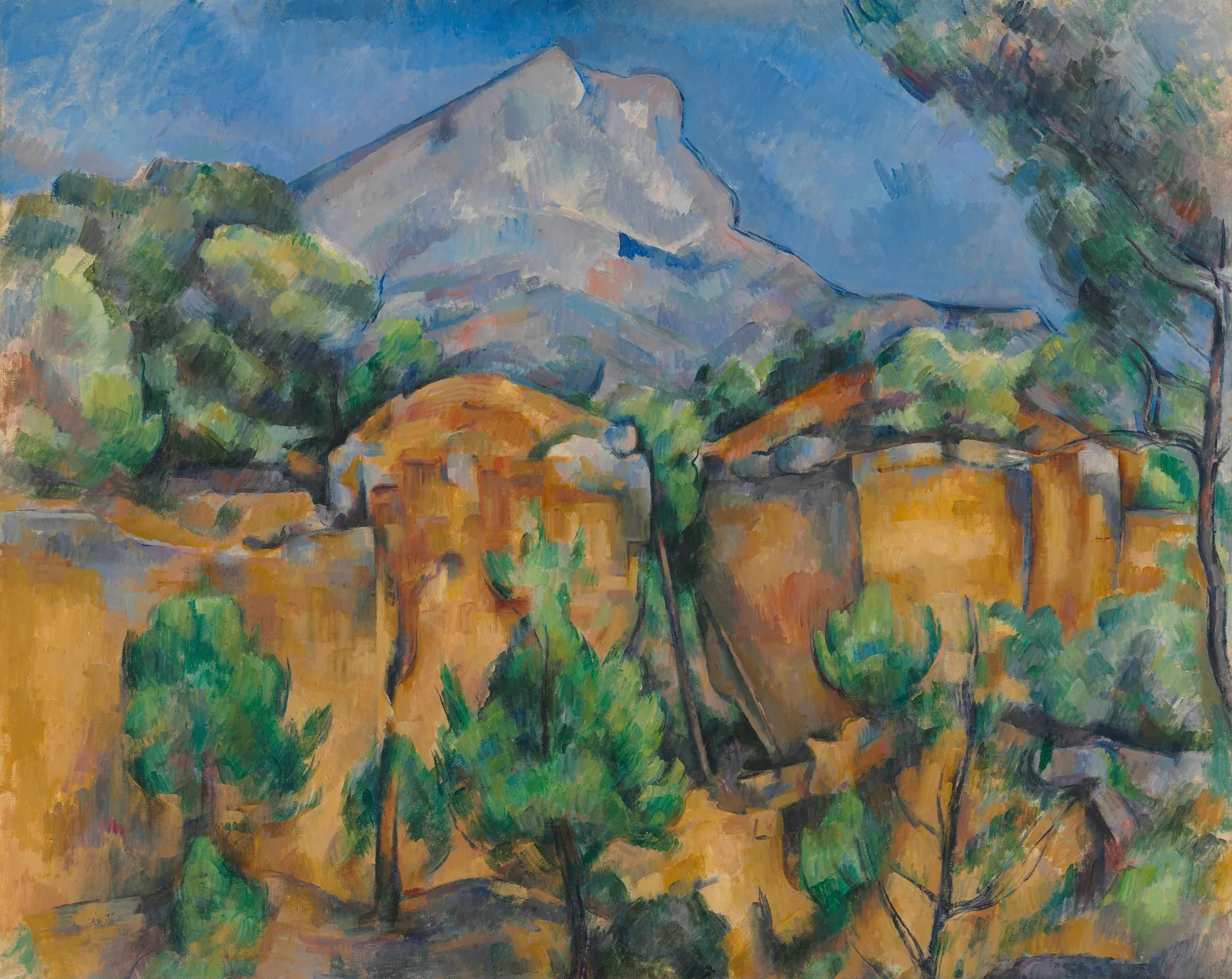
On the plateau east of the town, the old Bibémus quarries supplied the ochre stone of Aix’s mansions. Cézanne rented a hut there in the 1890s and painted the cut blocks, almost Cubist before their time, with the mountain rising behind. The restored site is open all year, by guided tour only, booked through the tourist office.
The Tholonet road and the Château Noir
The Route Cézanne then runs east along the foot of the mountain. In the late 1880s the painter rented a room at the Château Noir, an isolated house among the pines that he later tried and failed to buy. The house is private and closed to the public, but the road runs past it, and you soon see why he kept coming back: at every bend, Sainte-Victoire rearranges itself.
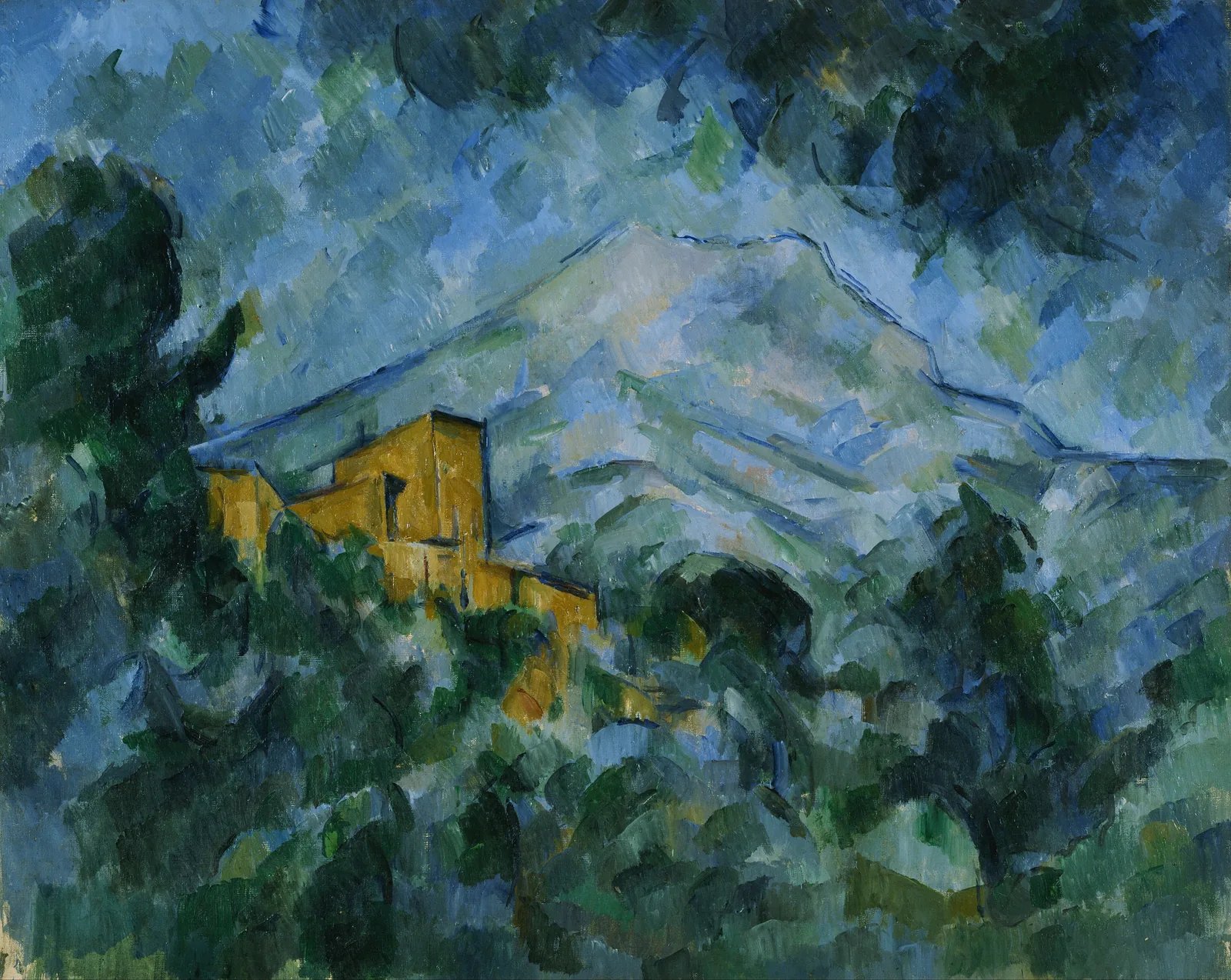
At the end of that road, past Le Tholonet, lies Beaurecueil, and the house. Few places let you sleep this close to his subject.
Seeing his paintings
The great Sainte-Victoire canvases are scattered across the world’s museums, from London to New York, Philadelphia and Moscow. In Aix, the Musée Granet now devotes a room to the painter, with more than ten of his works, including a portrait of Zola. It is not many, and it is precious: you look at them knowing the landscape is twenty minutes away.
Two days with Cézanne
- Day 1, 9 amThe bronze studs from rue de l’Opéra, a coffee on the cours Mirabeau.
- 11 amThe Musée Granet and its Cézanne room.
- 3 pmThe Lauves studio, booked ahead.
- 5.30 pmThe Painters’ Ground, facing the mountain at golden hour.
- Day 2, 9.30 amThe Jas de Bouffan and its park.
- 2.30 pmGuided tour of the Bibémus quarries.
- 6 pmBack along the Tholonet road, dinner facing the rock face.
Address book
Jas de Bouffan
4 rue de Valcros, Aix-en-Provence15 min from the houseThe family house, its studio and park.
July to end of October, booking required.Atelier des Lauves
Avenue Paul-Cézanne, Aix-en-Provence20 min from the houseThe painter’s last studio, untouched.
July to end of October, booking required.Terrain des Peintres
Top of avenue Paul-Cézanne25 min from the houseThe viewpoint of the late Sainte-Victoires.
Public garden, free.Bibémus quarries
Bibémus plateau, Aix-en-ProvenceThe ochre blocks and the painter’s hut.
All year, guided tours via the tourist office.Musée Granet
Place Saint-Jean-de-Malte15 min from the houseA Cézanne room and a portrait of Zola.
Closed on Mondays.Saint-Pierre cemetery
Avenue des Déportés, Aix-en-Provence15 min from the houseThe painter’s grave, always with flowers.
Free.
Frequently asked questions
Where was Paul Cézanne born?
At 28 rue de l’Opéra in Aix-en-Provence, on 19 January 1839. The house is private; a bronze stud and a plaque mark it.
When can you visit Cézanne’s studio and the Jas de Bouffan?
Both open every year from July to the end of October, with booking on cezanne-en-provence.com. The Bibémus quarries can be visited all year on a guided tour.
Where did Cézanne paint Mont Sainte-Victoire from?
From the Bibémus quarry, the road to Le Tholonet, the Château Noir and, late in life, the Lauves hill at the Terrain des Peintres. Earlier he also painted it from the Jas de Bouffan and the Arc valley.
Where is Cézanne buried?
In the Saint-Pierre cemetery in Aix-en-Provence. His funeral was held in Saint-Sauveur cathedral.